Why a Gilt Edge Drives Up the Unit Cost
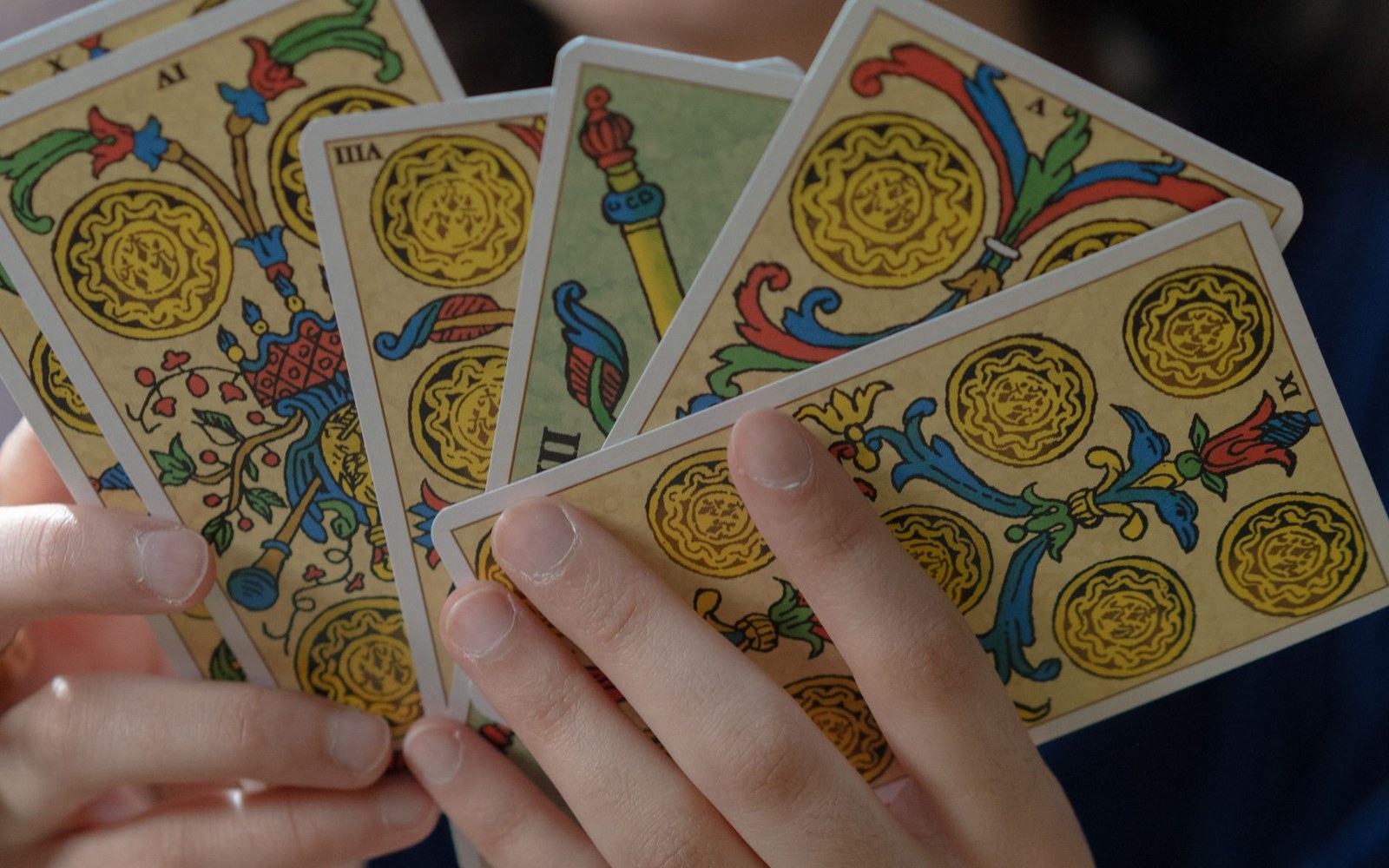
Foil and pressure applied by hand after the cut: how one finishing step accounts for the largest single price gap between a standard and a luxury deck.
Tarot as printed matter: who drew it, who prints it, and how the pictures travel.

Pl. 01The Drawing
Pamela Colman Smith illustrated seventy-eight cards for a flat fee in 1909. The deck bears her name today; the copyright revenue it generated for over a century did not reach her.
Ink, a nib, a board: on the illustrator’s side of the 1909 deck, this was the entire production apparatus.
Photo: Katya Wolf / Pexels
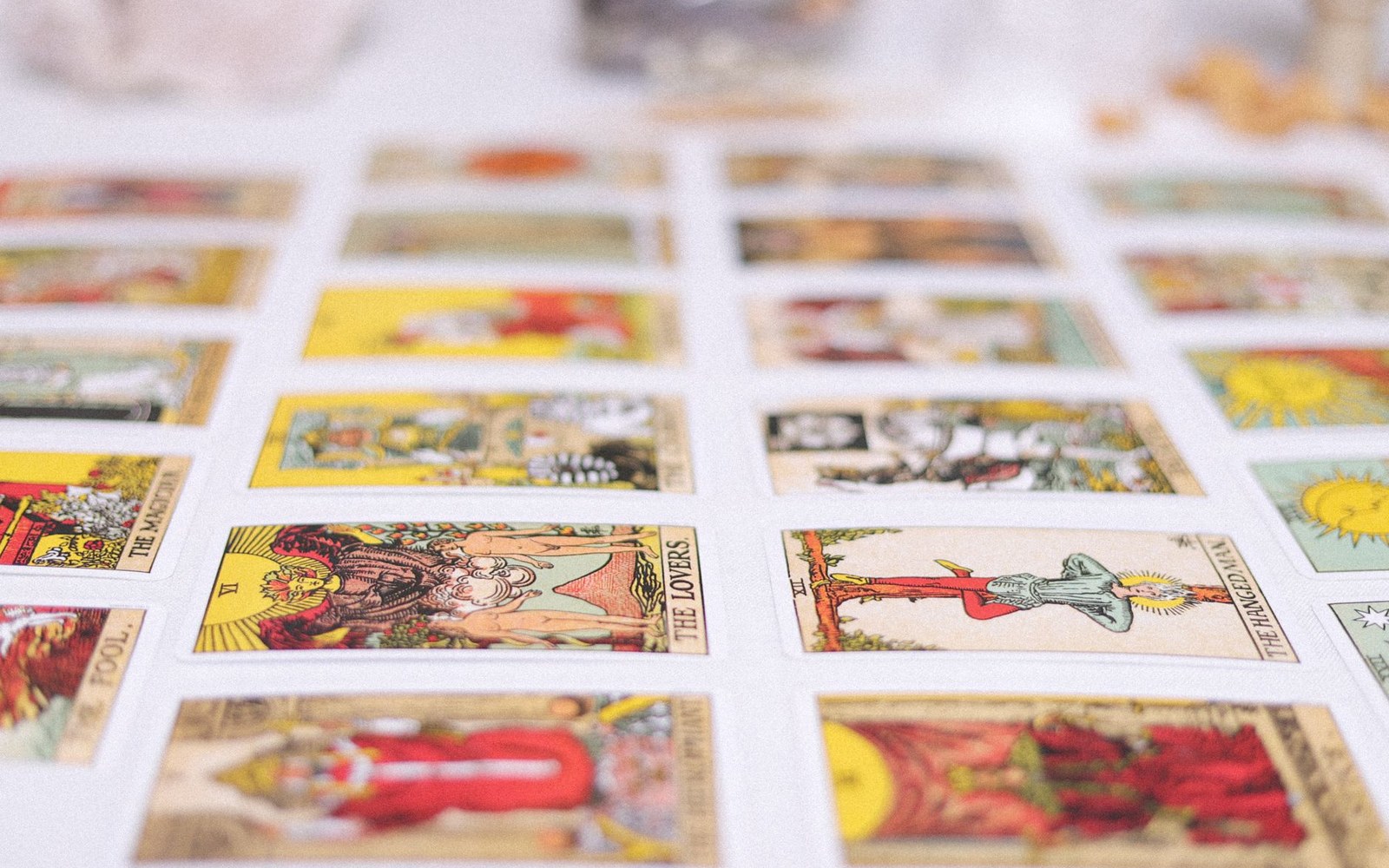
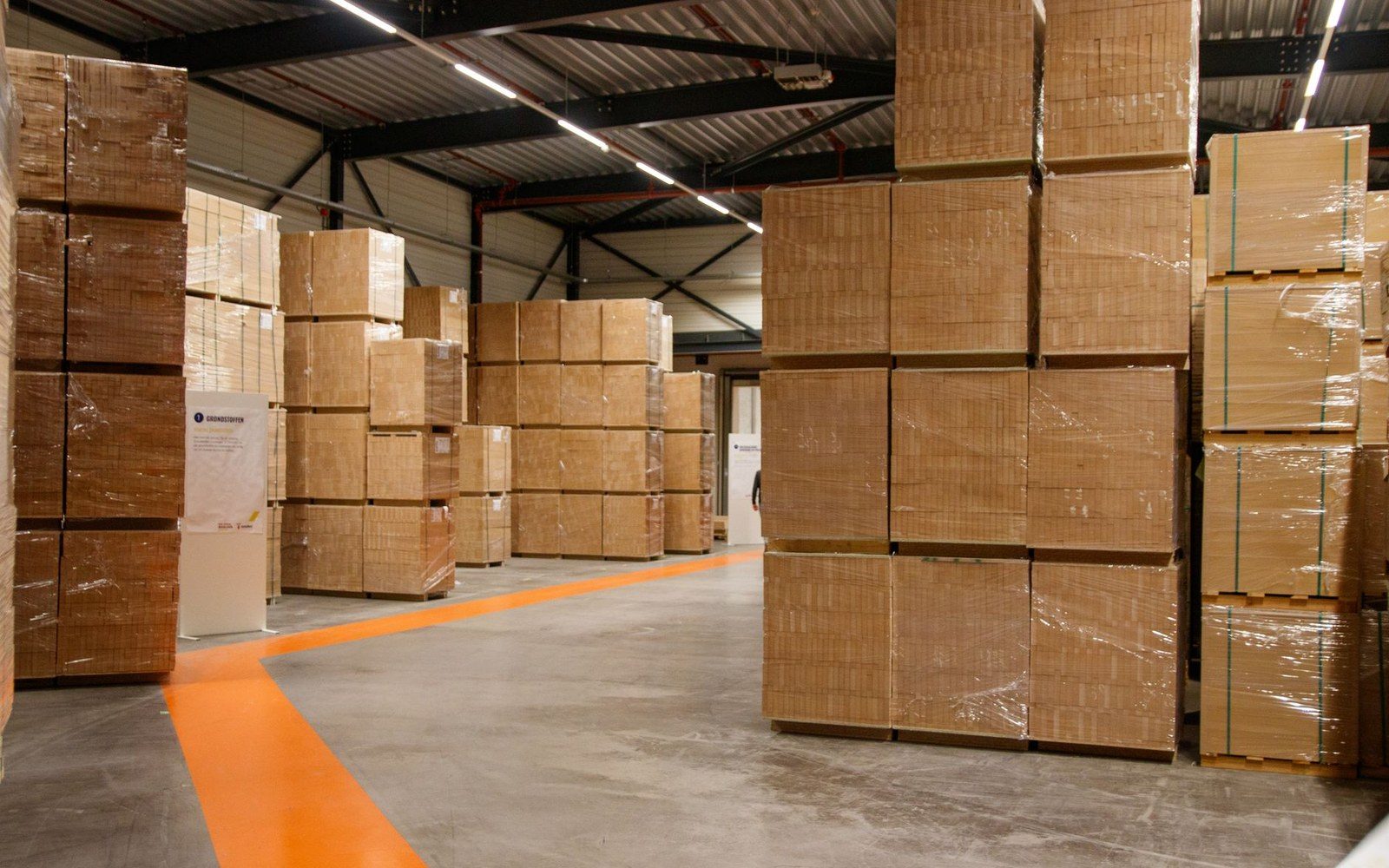
Seventy-eight faces come off one sheet. Everything after it — guillotine, corner round, tuck box — is a separate operation carrying its own setup cost, which is why short runs stay expensive.
Photo: Natalie Goodwin / Pexels
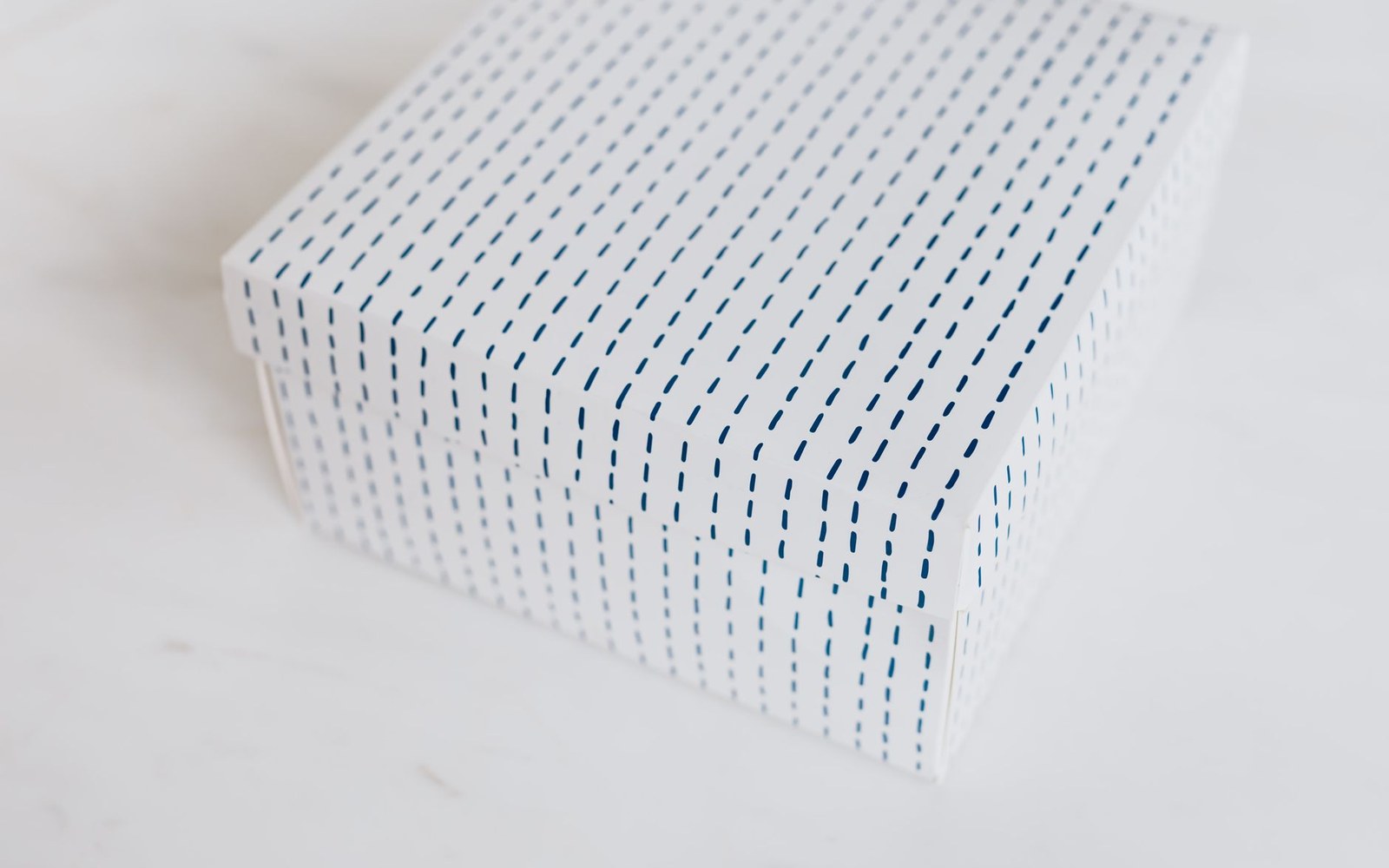
Foil and pressure applied by hand after the cut: how one finishing step accounts for the largest single price gap between a standard and a luxury deck.
The cards inside a deck routinely outlast the box they came in — a consequence of engineering decisions made at print, not at the shelf.
Follow the shipping manifest, and almost every tarot deck in the world traces back to the Pearl River Delta.
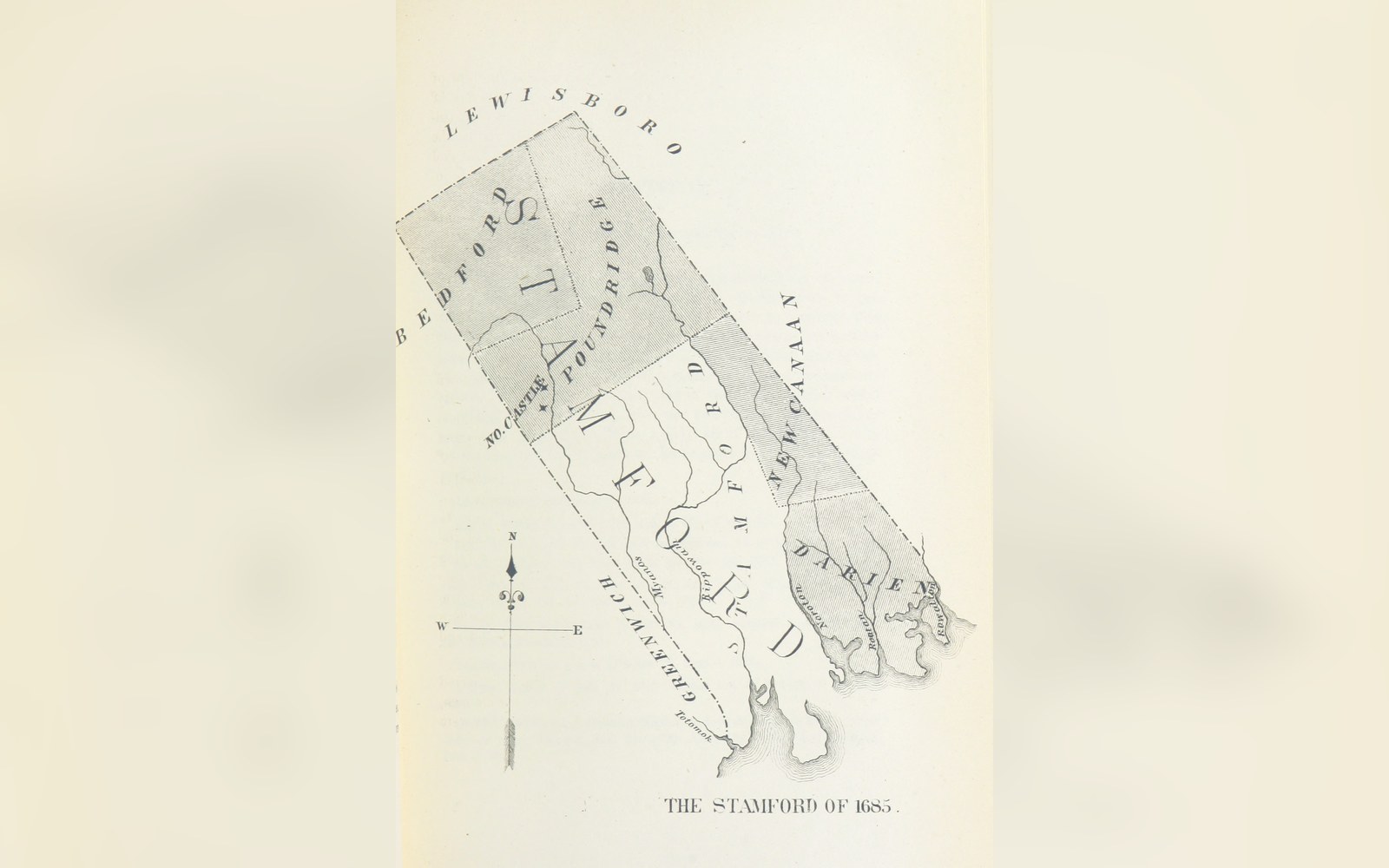
The Stamford, Connecticut publisher became the dominant English-language tarot house by acquiring rights, building catalogue depth, and riding a decade of extraordinary market growth.
A deck is seventy-eight pieces of board, a tuck box, and a run long enough to make cutting the plates worth it.
A Protestant minister with a theory about ancient Egypt looked at a card game and launched a myth that outlasted the scholarship that refuted it.
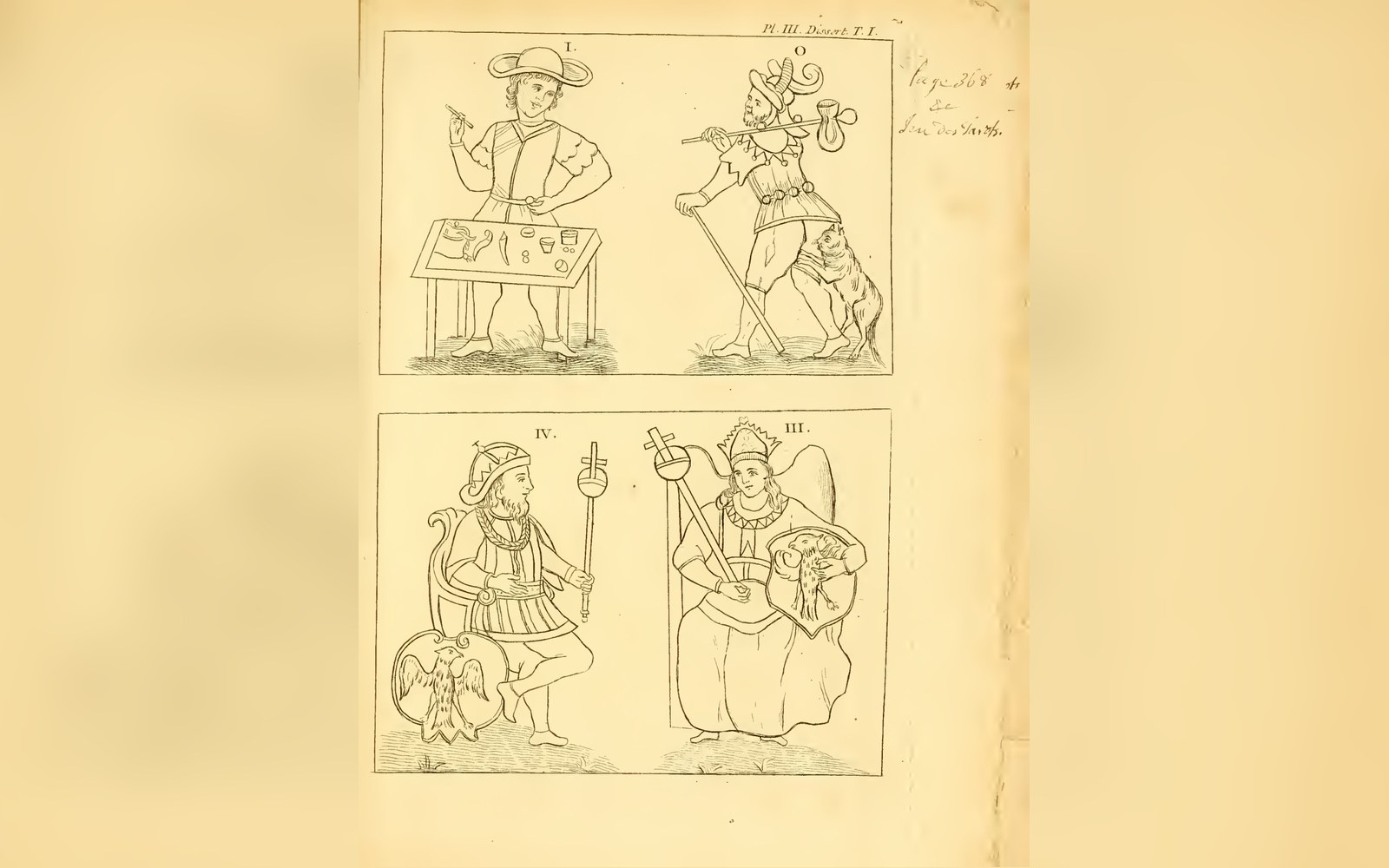
Plate III of the eighth volume: the Paris cards redrawn as evidence for a civilisation that was never there.
Photo: Court de Gébelin - Monde Primitif T. 8 Pl. 03 · Wikimedia Commons
The Thoth Tarot took five years to paint, and one card — the Magus — was never settled. The published deck carries three printed versions because the commission's revision cycle outlasted Crowley's patience.
The earliest fully illustrated seventy-eight-card deck reached a London exhibition two years before Pamela Colman Smith began drawing for Waite — and the comparison with her pip cards has been documented ever since.
The most studied tarot pack in existence survives incomplete, divided across two institutions and a private collection — and the gaps are as revealing as the cards themselves.
The word followed the cards north and west, changing its spelling at each border crossing.
Presses we deal cards with.