Pl. 07THE PRESS
Most Decks Are Printed in One Province
Follow the shipping manifest, and almost every tarot deck in the world traces back to the Pearl River Delta.
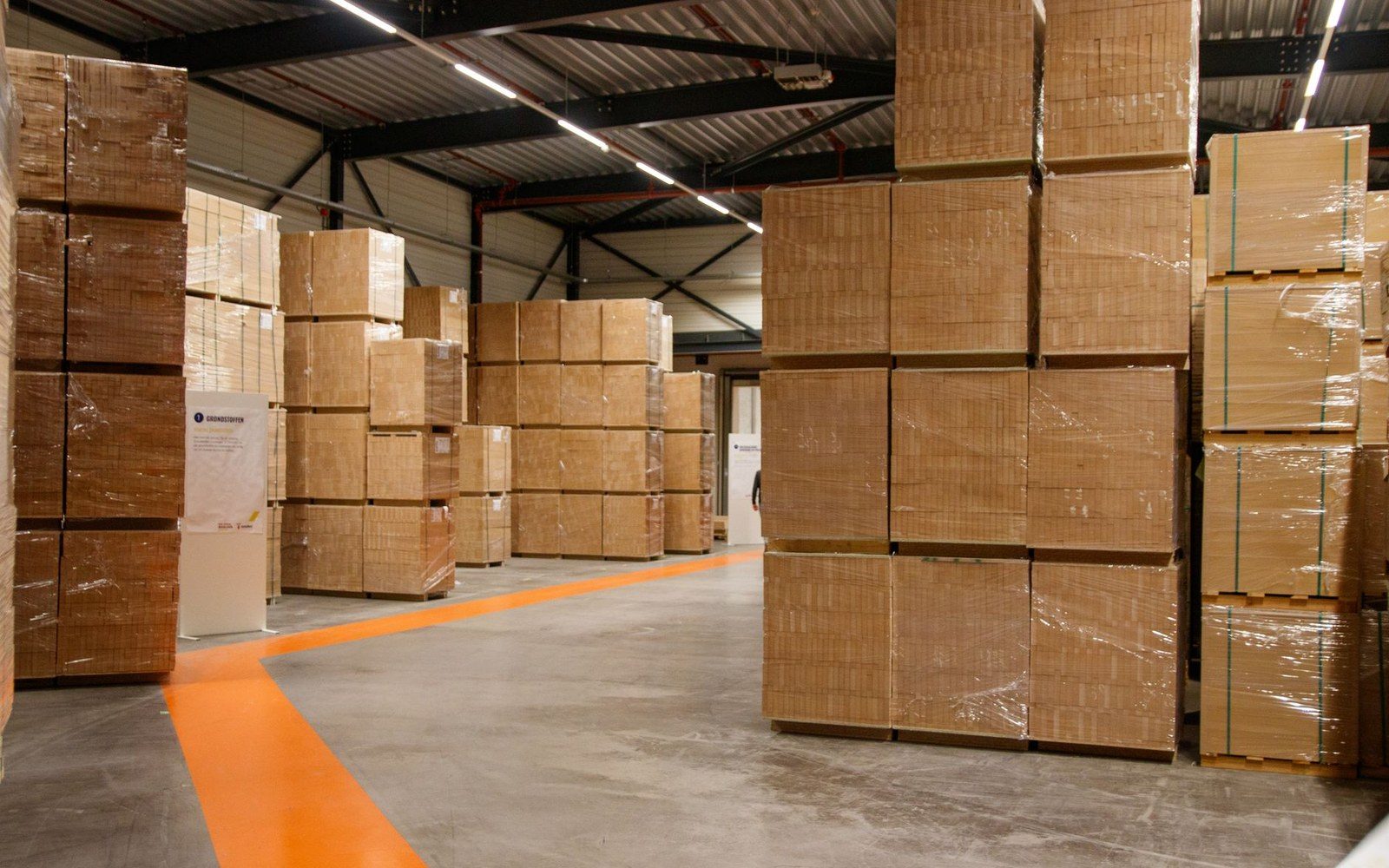
The real bottleneck in a deck’s schedule is a container, not a press.
Photo: Freek Wolsink / Pexels
The Geography of the Print Run
Guangdong province, in southern China, is home to the dense industrial cluster that manufactures the majority of the world's playing cards — and, by extension, most of its tarot decks. The Pearl River Delta cities of Guangzhou, Dongguan, and Shenzhen host dozens of card-printing facilities capable of handling the full production sequence: offset lithography, UV coating, die-cutting, and assembly. Publishers in the United States, Europe, and the United Kingdom routinely source finished decks from this region, regardless of the imprint name on the box.
The concentration is not accidental. Playing-card manufacture is capital-intensive: the presses, laminators, and cutting dies that produce a consistent 350-gsm card with tight registration are expensive, and the labour required to run quality-control at volume remains cheaper in Guangdong than almost anywhere else. Over decades, the supply chain for paper stock, coating chemicals, and specialised card-stock board has co-located around the same factories, which makes new entrants difficult to establish elsewhere. The result is that a deck sold under an Italian imprint, a Connecticut address, or a Minneapolis trade name may share a factory floor — and occasionally a press sheet — with its competitors.
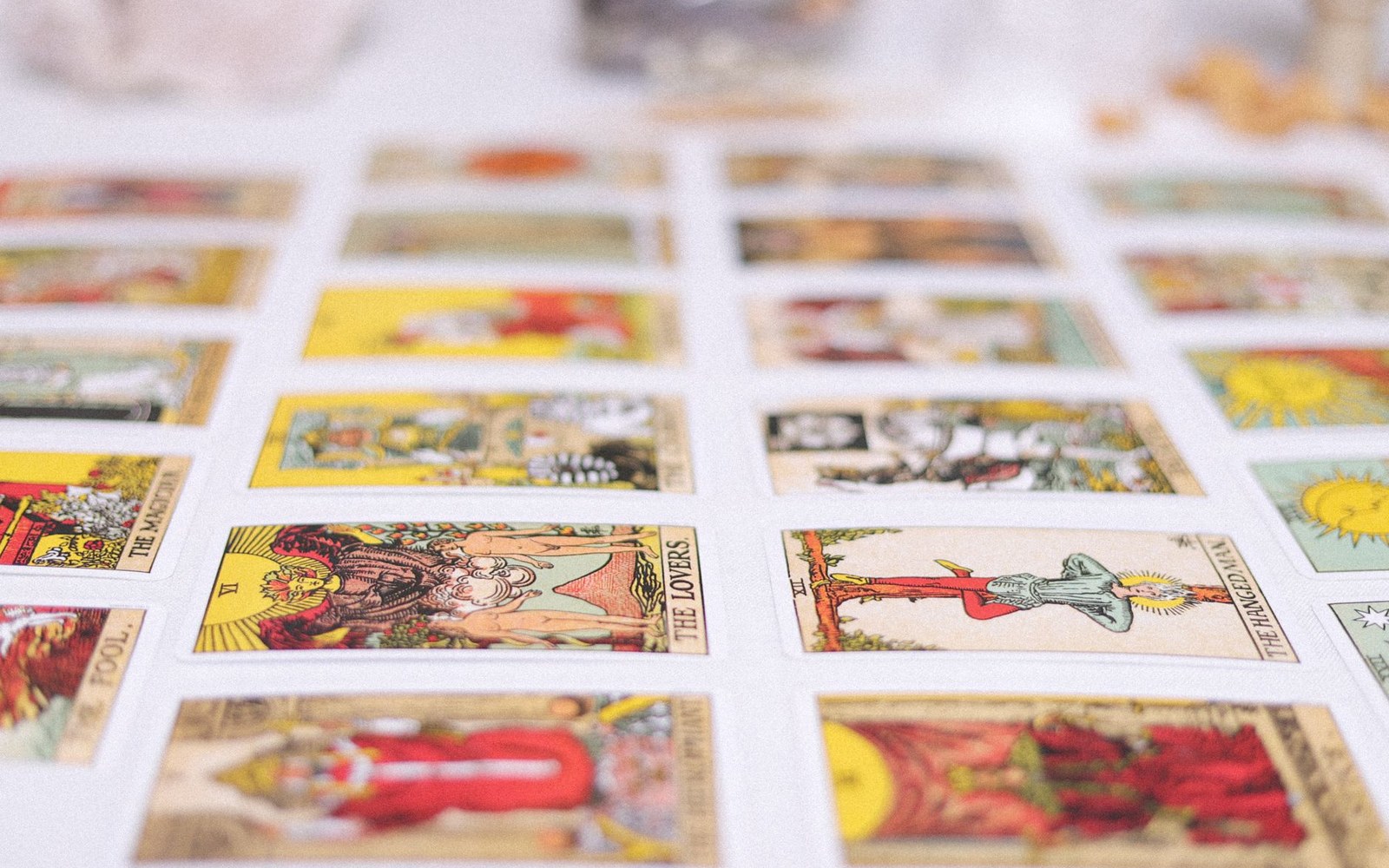
Seventy-eight faces come off one sheet. Everything after it — guillotine, corner round, tuck box — is a separate operation carrying its own setup cost, which is why short runs stay expensive.
Photo: Natalie Goodwin / Pexels
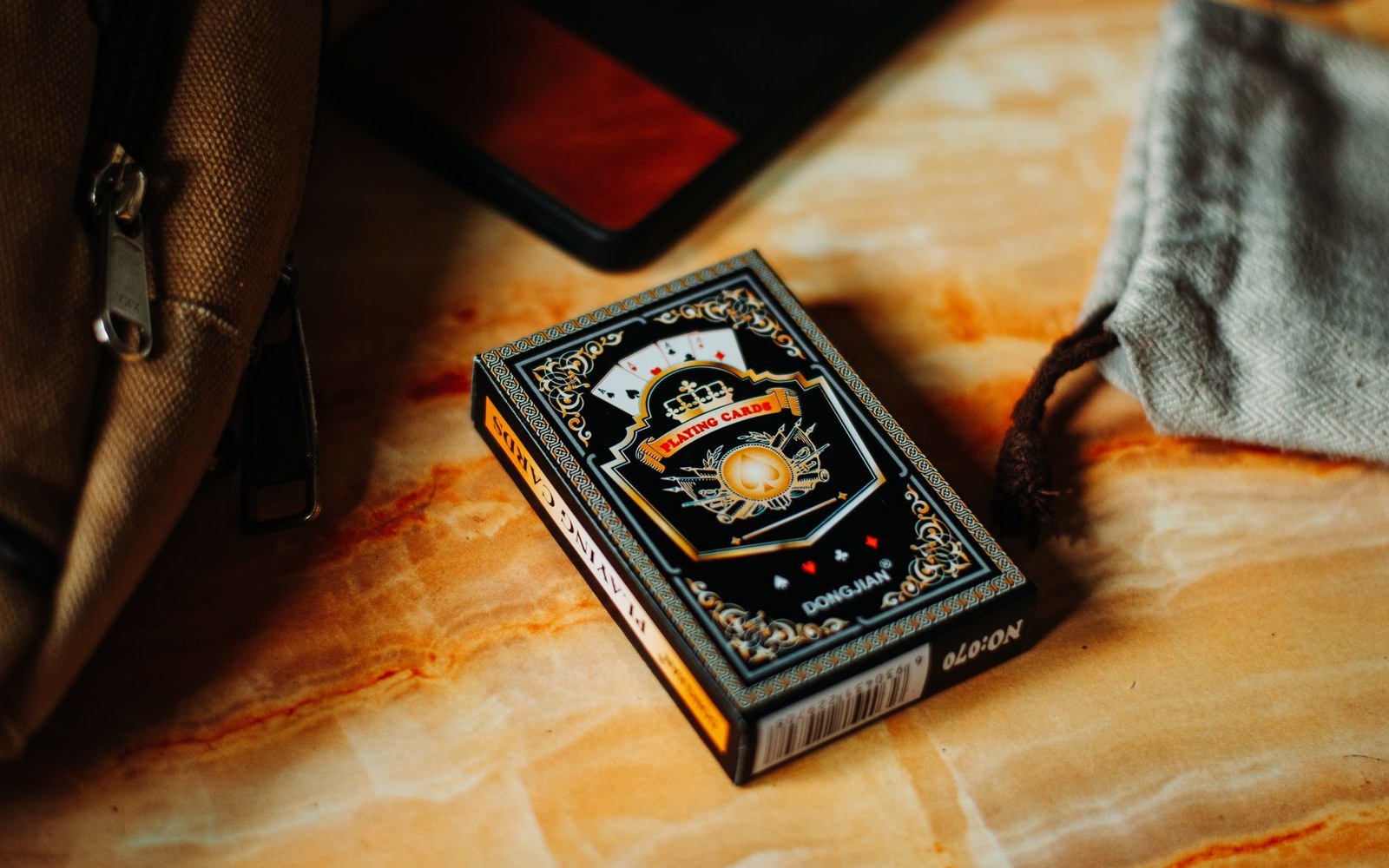
The score line at the flap is where a box fails, usually inside a year.
Photo: Jonathan Robles / Pexels
What Major Publishers Use, and What Small Ones Get
For a large house, the factory relationship is direct and long-term. U.S. Games Systems, based in Stamford, Connecticut, and Lo Scarabeo, printing out of Turin, both maintain ongoing relationships with Asian manufacturers for their higher-volume lines, even where some short-run or premium editions are handled regionally. At scale, a publisher can negotiate custom card stock, specify a particular linen texture or finish, and expect consistent colour calibration across a run of fifty thousand decks or more. Minimum order quantities at major Guangdong facilities are typically discussed in terms of thousands of units per SKU, with the exact threshold varying by factory and product specification.
An independent publisher — one running a Kickstarter campaign or selling direct through a small imprint — generally enters the same supply chain through a trading company or consolidator rather than negotiating factory access directly. The consolidator adds a margin, sets higher per-unit costs, and may enforce a minimum order the independent must crowdfund to reach. Print quality from these intermediary routes is not necessarily inferior, but the independent has less leverage over paper weight, coating type, and colour proofing. Edge gilding, for instance — a hand operation performed after cutting on a clamped block — is available from Guangdong facilities but priced as a premium add-on; small runs carry a proportionally higher unit cost for the same finish than a large publisher would pay.
The practical consequence is a two-tier market. A major house orders with a buffer, holds inventory, and absorbs the six-to-ten-week sea-freight transit from Guangdong to European or North American warehouses. An independent running close to minimum quantities has little room for a reprint if a first edition sells out faster than expected, and the lead time from new order to stock on hand — allowing for production, quality inspection, sea freight, and customs — can stretch to four or five months.
What Stays Local
Some production genuinely remains outside Guangdong. Naipes Heraclio Fournier, operating since 1868 in Vitoria-Gasteiz in the Basque Country and now owned by Cartamundi, handles specialty and heritage card work in Europe. Cartamundi's own Belgian facilities serve certain premium and casino-grade markets. But these are exceptions. For most tarot decks at most price points, the province that printed the cards is Guangdong — whatever flag appears on the tuck box.