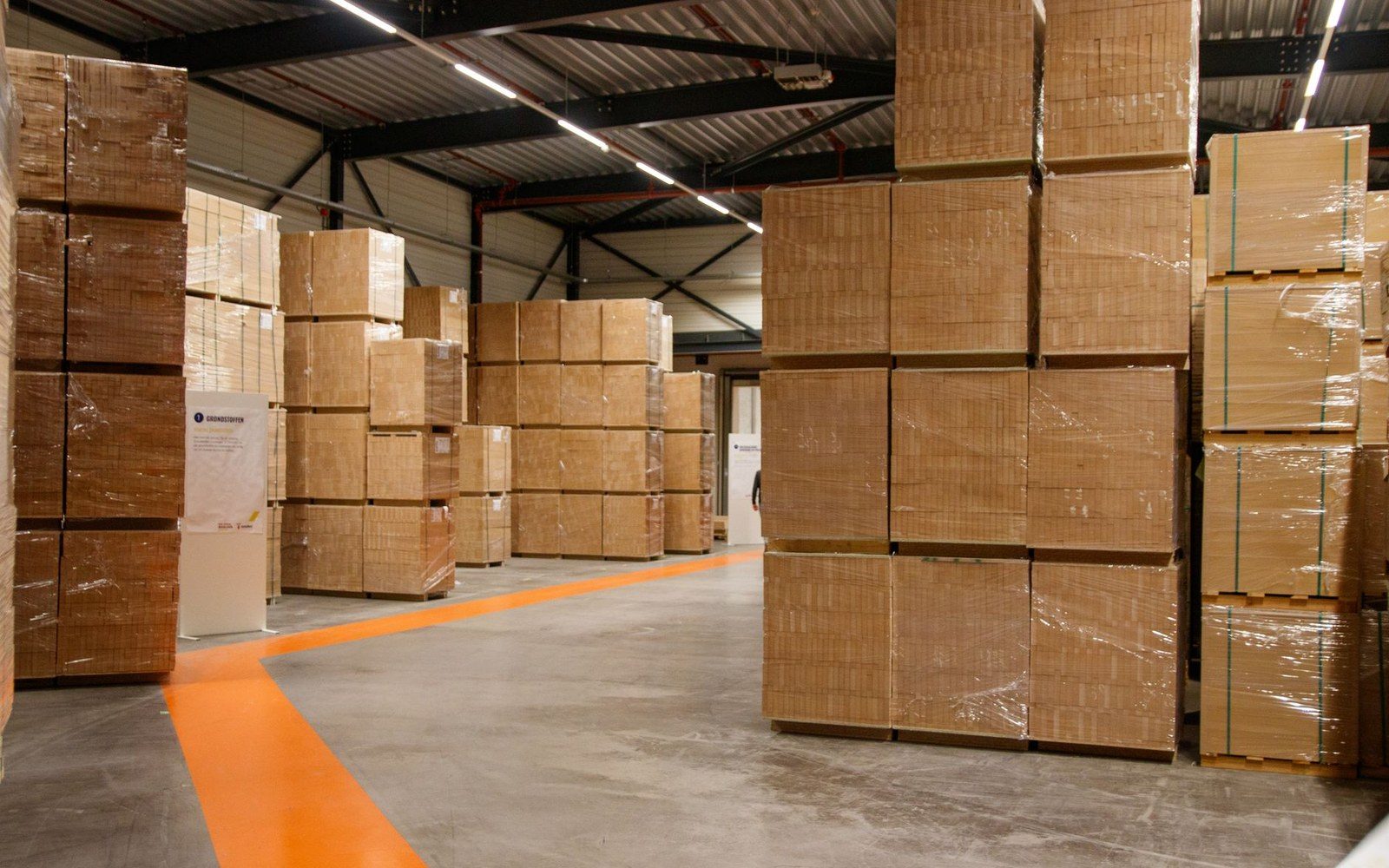
Section 02THE PRESS
The Press
What a deck costs to make, who prints them, and the economics of putting seventy-eight cards on a shelf.
7 pieces in this section
- Lead piece
Why a Gilt Edge Drives Up the Unit Cost
Foil and pressure applied by hand after the cut: how one finishing step accounts for the largest single price gap between a standard and a luxury deck.
Read the piece
The Tuck Box Is the Part That Fails First
The cards inside a deck routinely outlast the box they came in — a consequence of engineering decisions made at print, not at the shelf.
Read the piecePhoto: https://kaboompics.com/ / Pexels
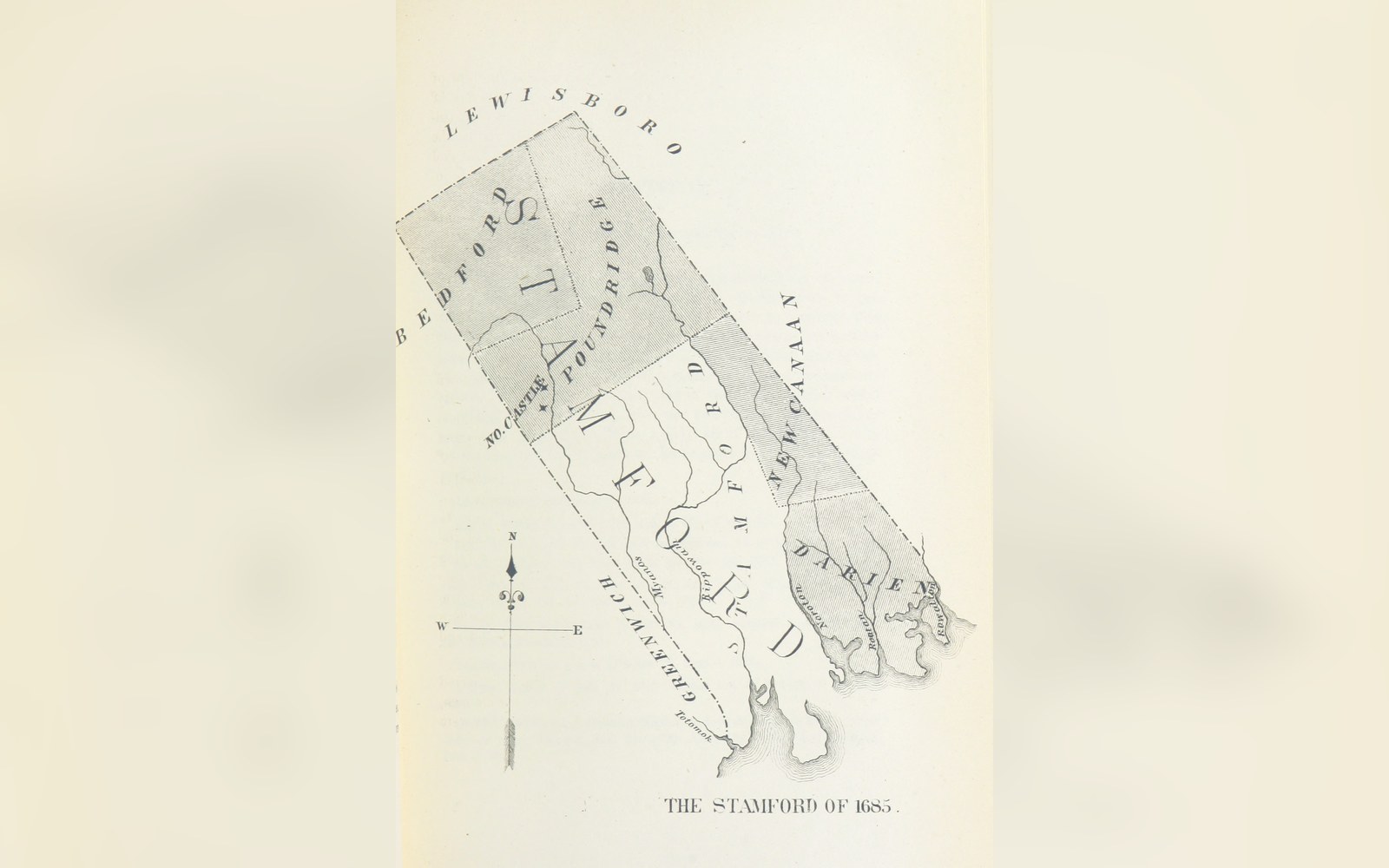
Stuart Kaplan Founded U.S. Games Systems in 1968
The Stamford, Connecticut publisher became the dominant English-language tarot house by acquiring rights, building catalogue depth, and riding a decade of extraordinary market growth.
Read the piecePhoto: 173 of 'History of Stamford, Connecticut, etc' · Wikimedia Commons
Lo Scarabeo Has Printed in Turin Since 1987
A Turin press built its catalogue on historical reproduction and licensed art, and now distributes to a global market from a single facility in Piedmont.
Read the piecePhoto: loscarabeo.com
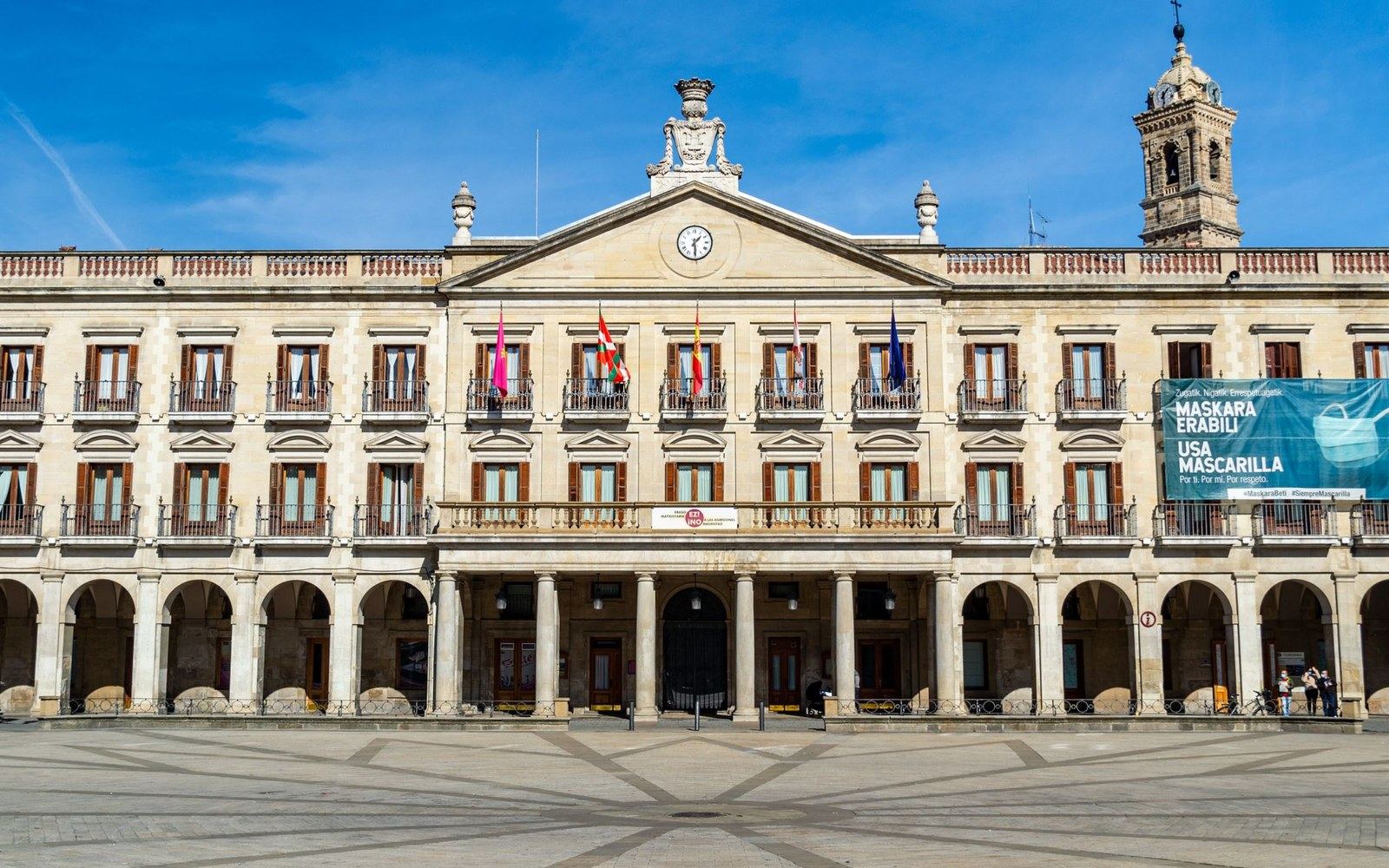
Fournier Has Been Cutting Cards in Vitoria-Gasteiz Since 1868
One of Europe's oldest card factories still runs in the Basque Country — now as a subsidiary of the Belgian giant Cartamundi.
Read the piecePhoto: David Vives / Pexels
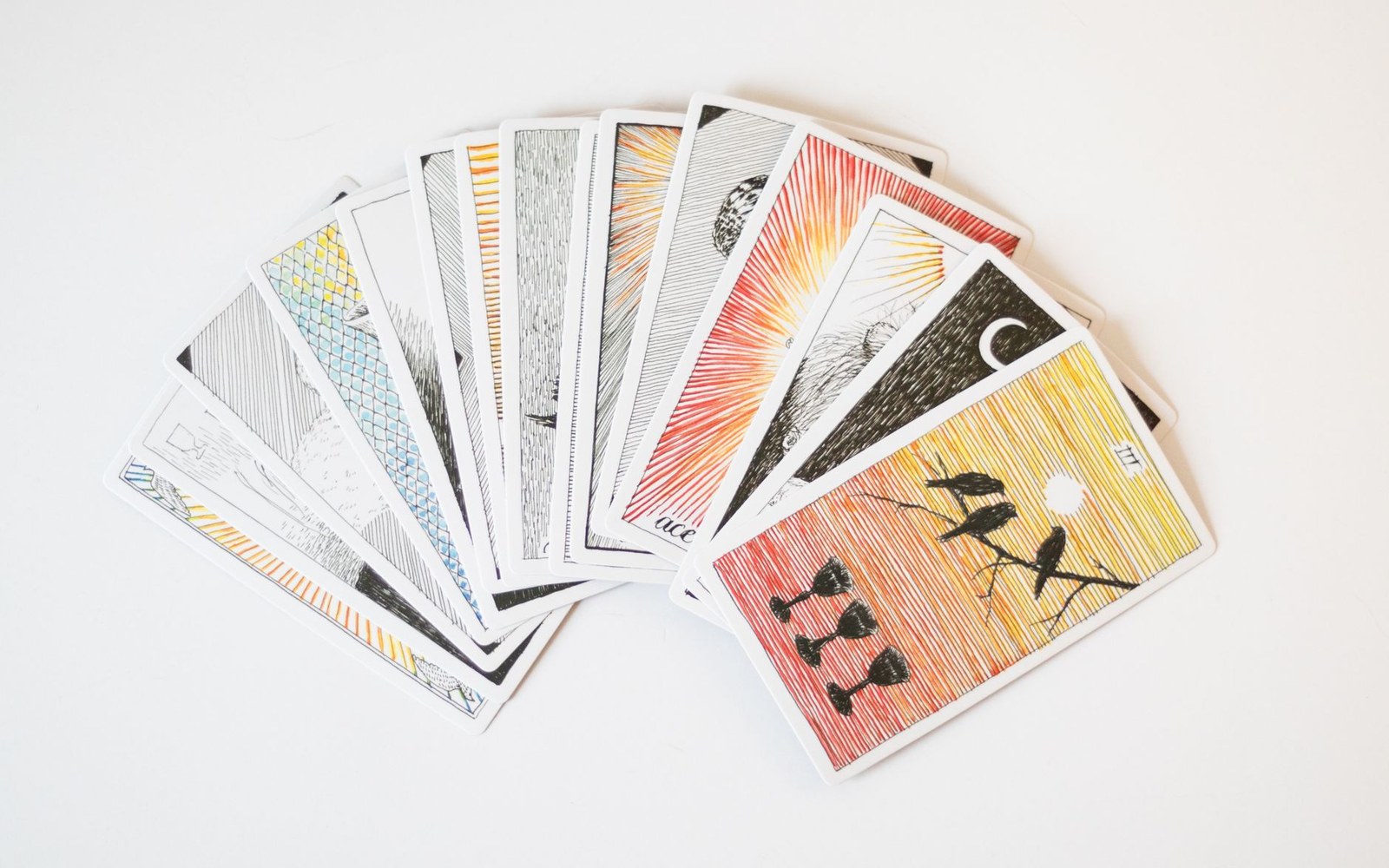
The Independent Deck Boom After the Copyright Wall Fell
The entry of the Rider-Waite-Smith images into public domain, combined with print-on-demand economics, cracked open a market that had been controlled by three or four publishers for decades.
Read the piecePhoto: Fiona Murray / Pexels
Most Decks Are Printed in One Province
Follow the shipping manifest, and almost every tarot deck in the world traces back to the Pearl River Delta.
Read the piecePhoto: Freek Wolsink / Pexels