Pl. 05THE PRESS
Fournier Has Been Cutting Cards in Vitoria-Gasteiz Since 1868
One of Europe's oldest card factories still runs in the Basque Country — now as a subsidiary of the Belgian giant Cartamundi.
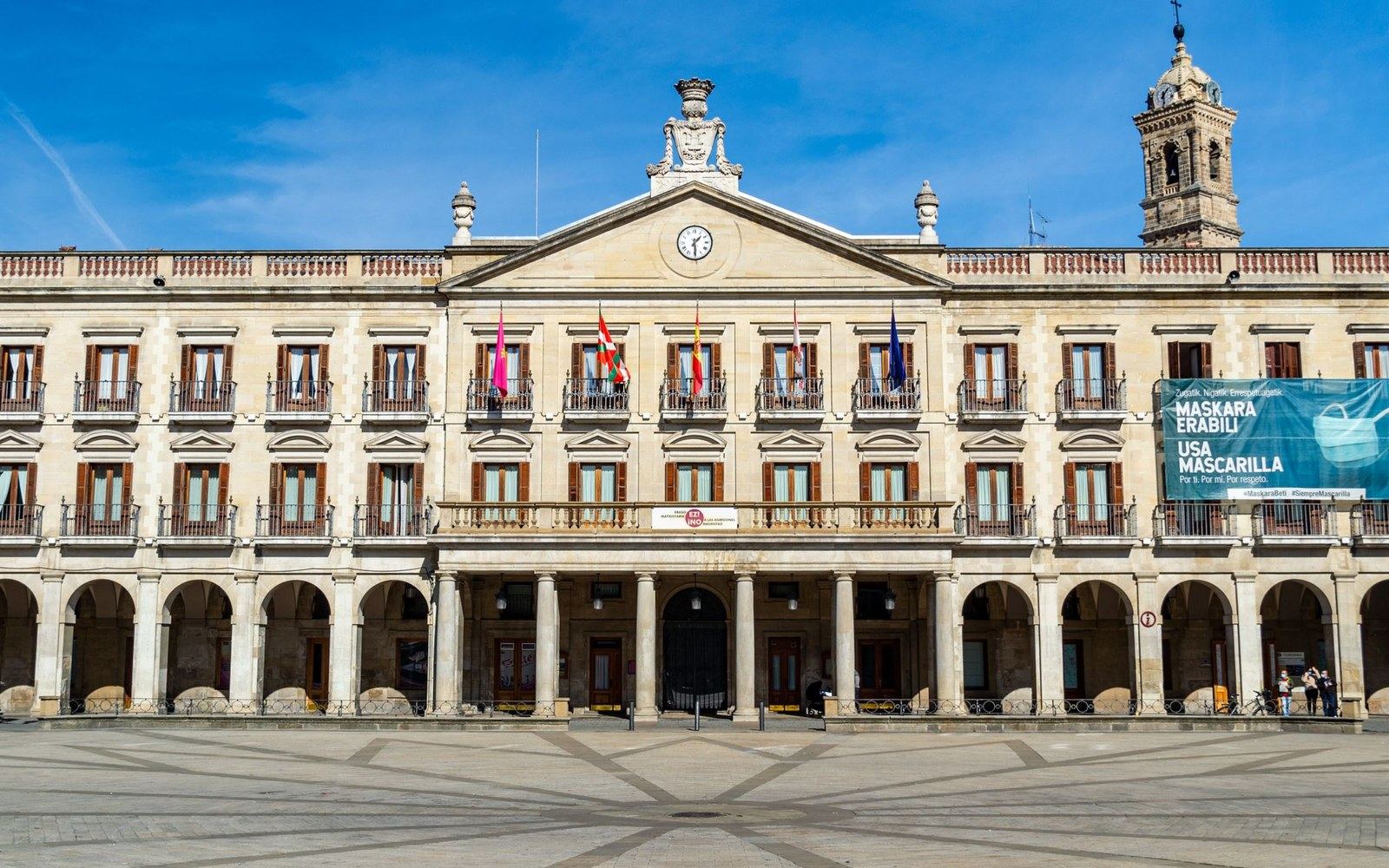
Vitoria-Gasteiz, where cards have been cut since 1868.
Photo: David Vives / Pexels
From a Basque Workshop to a Global Supply Chain
Heraclio Fournier founded his printing workshop in Vitoria-Gasteiz in 1868, producing playing cards for the Spanish market at a time when card manufacture was still largely a craft industry of hand-cut woodblocks and manually applied colour. The Basque Country had no particular tradition of card printing before Fournier arrived, but the firm he built — Naipes Heraclio Fournier, naipes being the Spanish word for playing cards — became the dominant Spanish manufacturer within a generation and eventually one of the most significant card printers in Europe.
The company's longevity rests partly on its early investment in lithographic printing, which allowed it to achieve consistent colour reproduction at volume long before competitors in the Iberian market caught up. It also pursued licensing arrangements and export contracts aggressively, supplying packs across Latin America and producing decks manufactured under contract for other publishers, which kept the Vitoria-Gasteiz plant commercially viable through the twentieth century's upheavals.
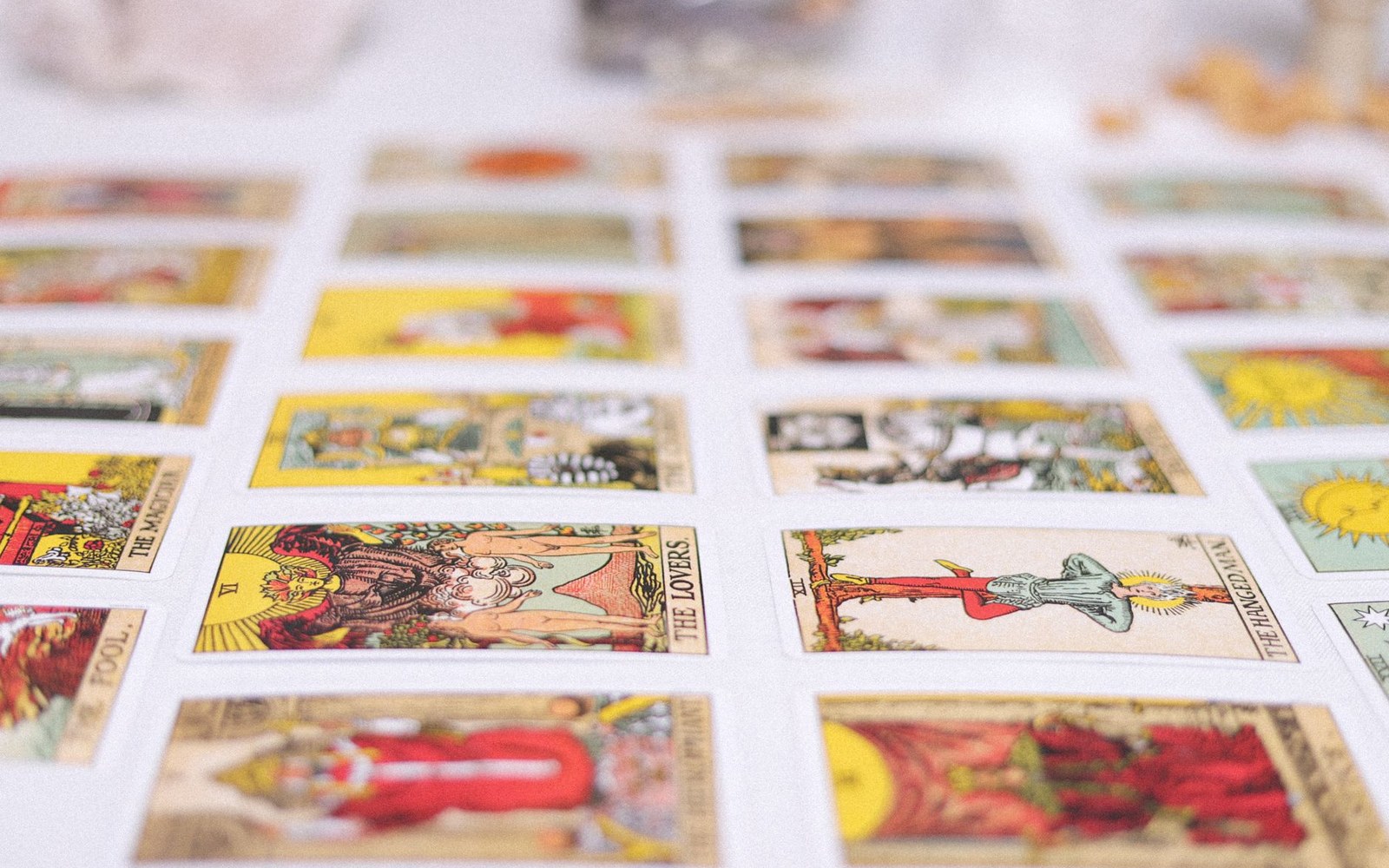
Seventy-eight faces come off one sheet. Everything after it — guillotine, corner round, tuck box — is a separate operation carrying its own setup cost, which is why short runs stay expensive.
Photo: Natalie Goodwin / Pexels
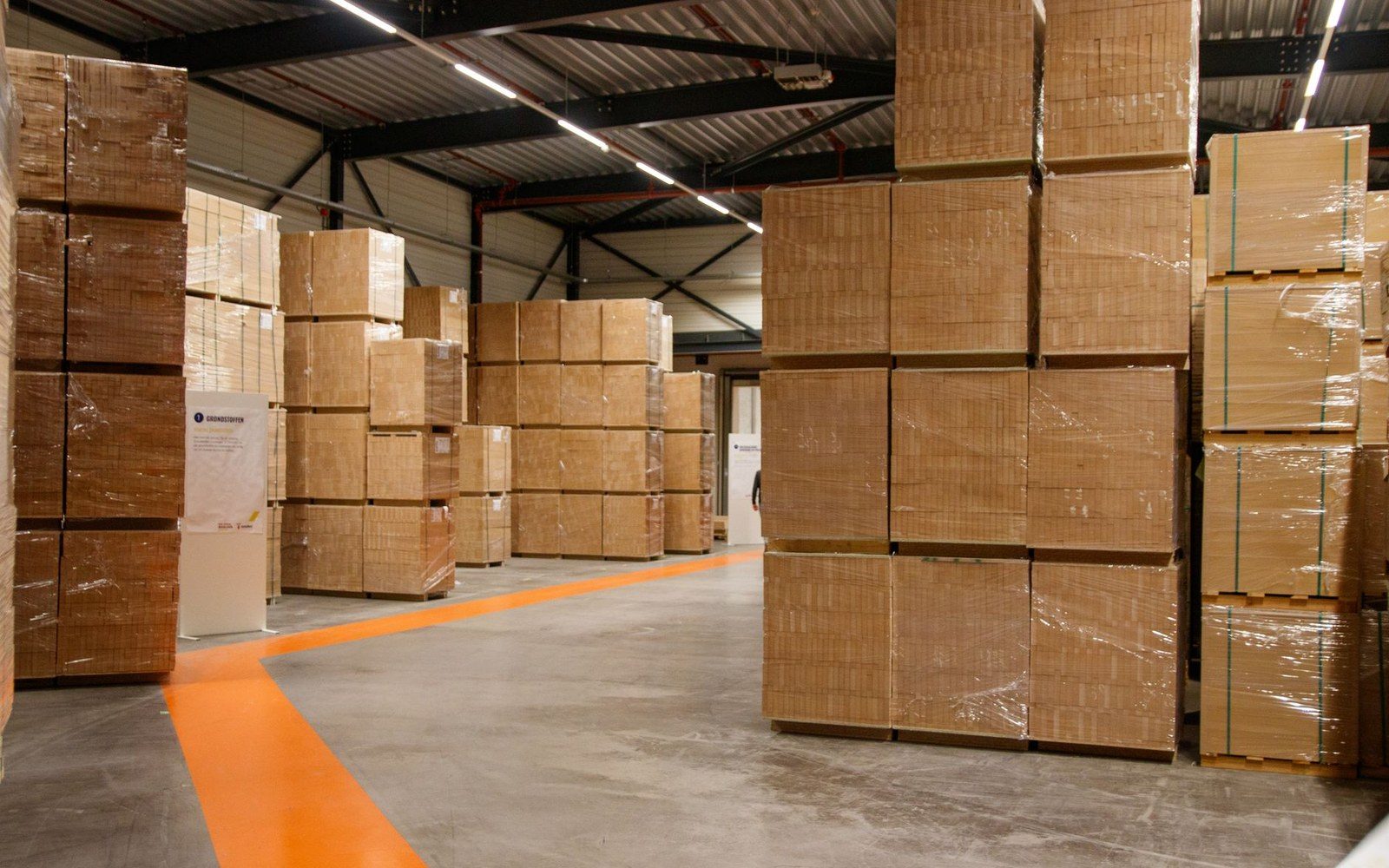
The real bottleneck in a deck’s schedule is a container, not a press.
Photo: Freek Wolsink / Pexels
Fournier's place in tarot history is functional rather than artistic. The firm has printed editions of standard Marseille-pattern decks as well as Spanish-suited baraja packs, and it has produced tarot titles for third-party publishers who needed European manufacturing rather than Asian sourcing. Its output has never been centred on esoteric or collector markets; it is, above all, a card factory with an unusually long institutional memory.
Cartamundi, the Belgian playing-card conglomerate, acquired Naipes Heraclio Fournier and folded it into its international network, which now also includes the former United States Playing Card Company. The acquisition gave Cartamundi access to Fournier's Spanish and Latin American distribution relationships and to a plant with deep technical knowledge of card finishing — cutting tolerances, coating weights, the mechanical details that determine how a deck handles over years of use.
The Vitoria-Gasteiz facility continues to operate under the Fournier name. Within the current supply chain, it occupies a specific position: a mid-volume European printer capable of shorter runs than the large Guangdong facilities that dominate global tarot production, with finishing standards that some publishers specify when they need a European-made product for their market or for reasons of lead time. It is not a prestige studio and does not market itself as one. It is, after more than a century and a half, still a factory — making decks, cutting cards, and moving them out the door.