Pl. 04COLLECTIONS
A Museum Built Around One Subject
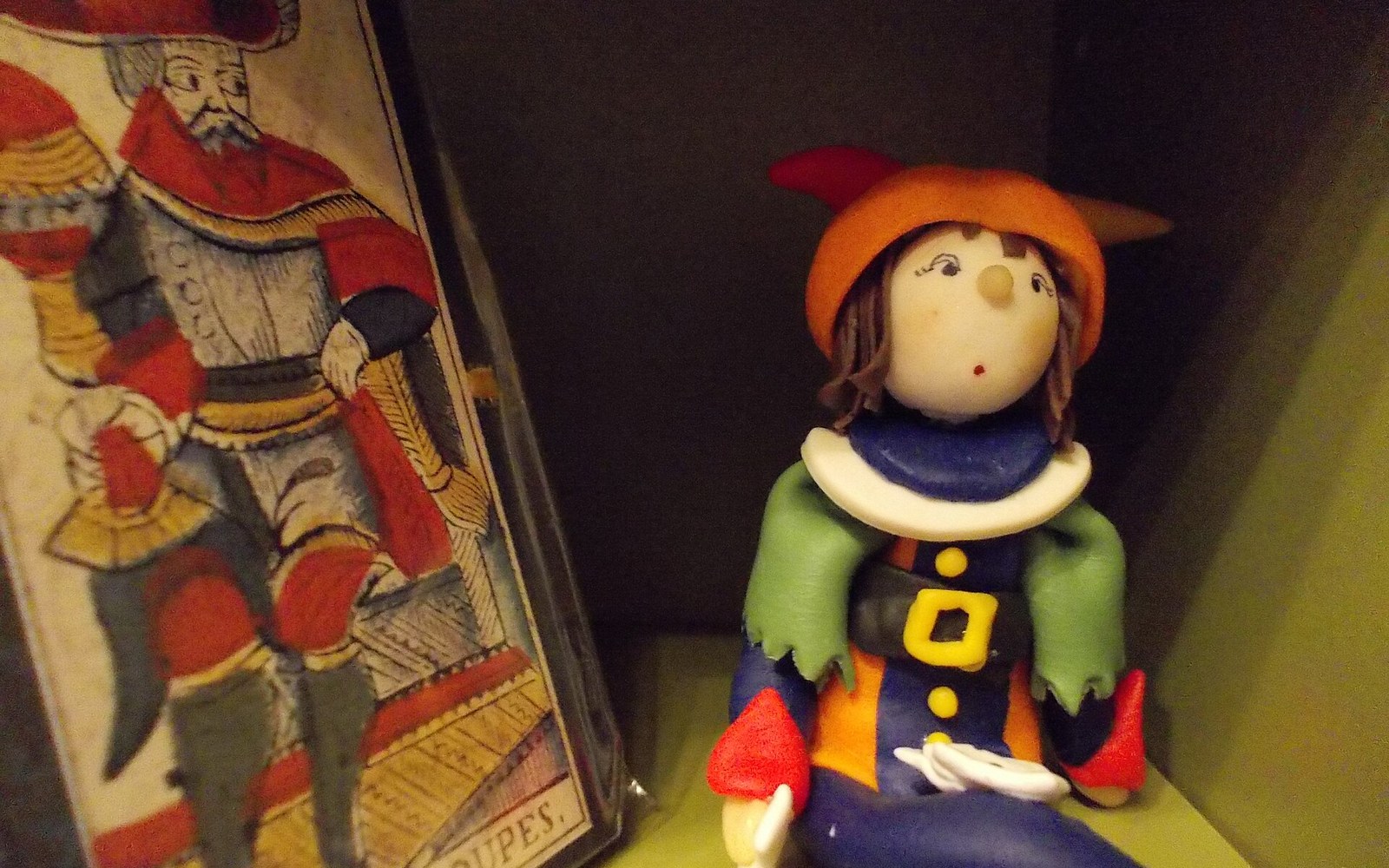
Riola di Vergato: a museum assembled around one subject by one artist.
Photo: Museo2012 031 · Wikimedia Commons
The Museo dei Tarocchi in Riola di Vergato holds what may be the most concentrated single-subject collection of tarot as printed matter anywhere in Europe.
What the Building Contains
The Museo dei Tarocchi — tarot museum — sits in Riola di Vergato, a small comune (municipality) in the Apennine foothills of Emilia-Romagna, roughly forty kilometres south of Bologna. The collection was assembled and is directed by Morena Poltronieri and Ernesto Fazioli, artists and researchers whose engagement with tarot centres on the card as a graphic and historical object rather than as an instrument of practice.
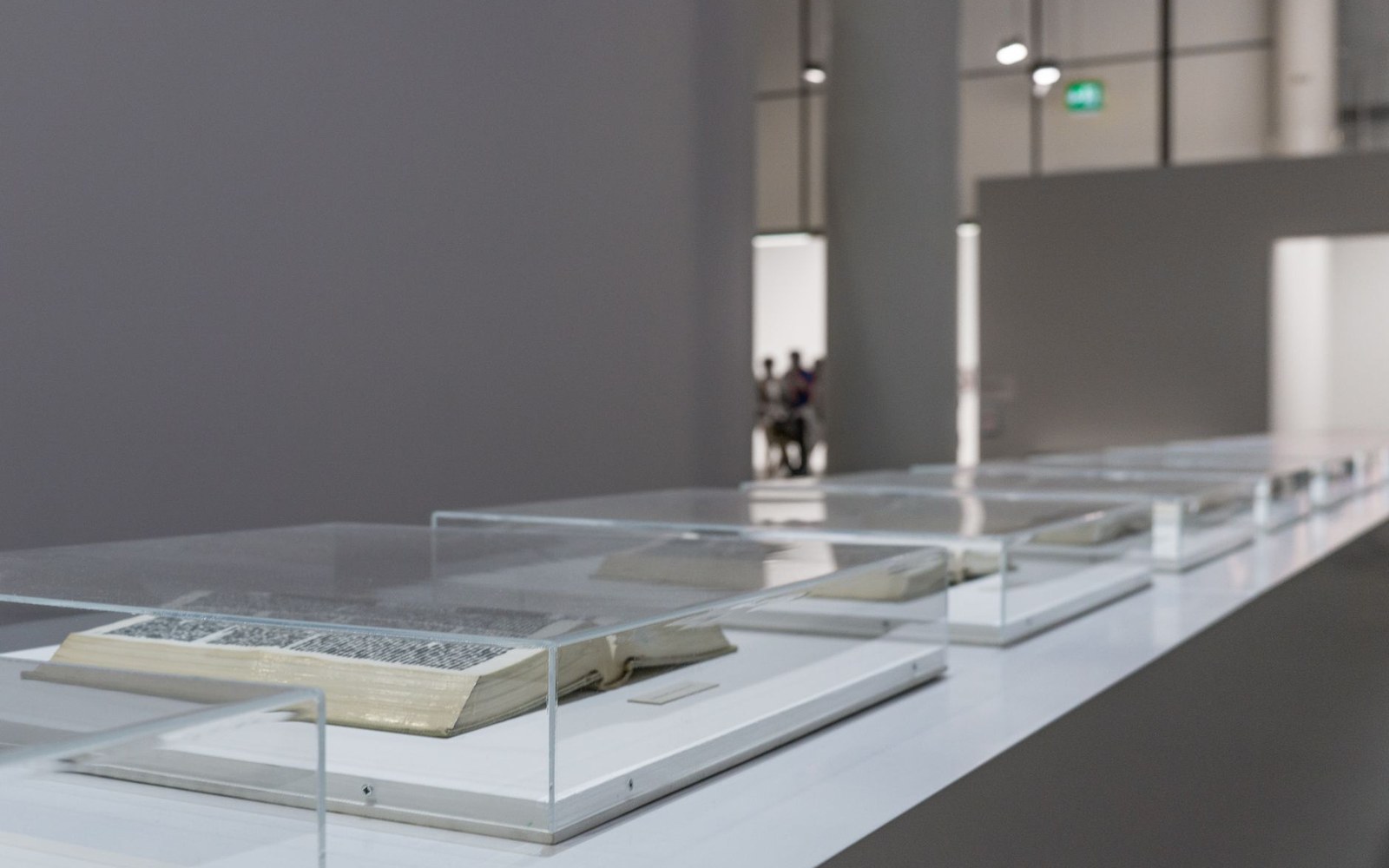
Conservation terms, not display terms: low light, flat mounts, no handling.
Photo: mali maeder / Pexels
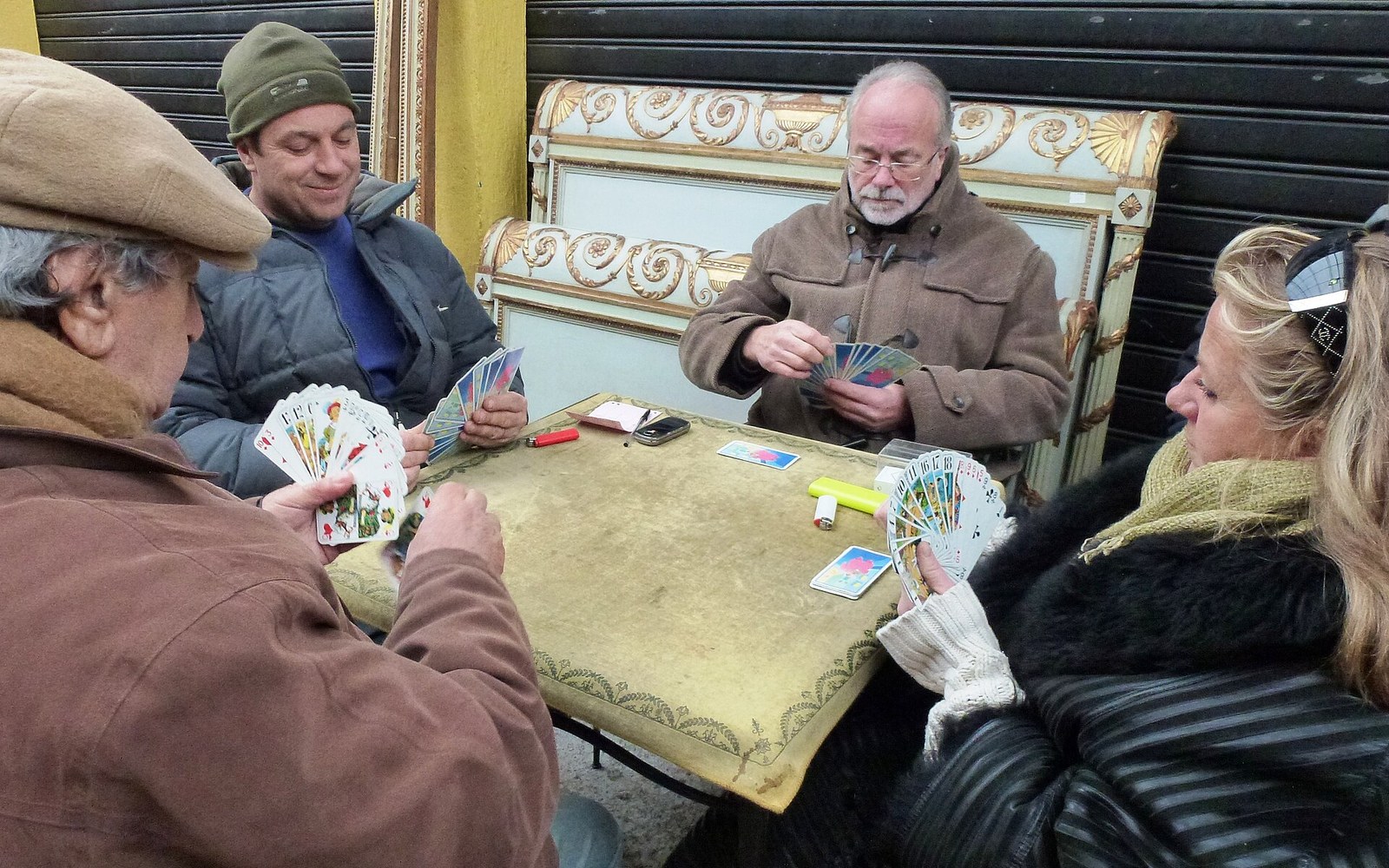
The game, still being played, where the word changed spelling.
Photo: Joueurs de tarot · Wikimedia Commons
The holdings run to thousands of decks spanning several centuries of manufacture, including Marseille-pattern woodblock prints, twentieth-century lithographed commercial editions, and artist-designed packs produced in limited runs. The collection documents tarot as a sequence of printing technologies: from hand-coloured woodcut to chromolithography to offset and digital print, the museum's shelves trace each transition in the physical record. Alongside the decks themselves, the museum holds printed ephemera, publications, and works by contemporary artists who have used the tarot format as a framework for image-making.
The building's location is deliberate rather than incidental. Riola di Vergato is already known for a single piece of architecture: the church of Santa Maria Assunta, designed by Alvar Aalto and completed in 1978, one of the Finnish architect's very few works outside Scandinavia. The museum occupies a different structure in the same village, but the cultural logic is the same — a specialist destination drawing visitors to a place they would otherwise have no reason to reach.
What the Museo dei Tarocchi offers that no general collection can is density of comparison. The British Museum's playing-card collection is broader in subject but dispersed across a vast holdings system; the Morgan Library's Visconti-Sforza cards are singular objects in a general rare-books context. In Riola di Vergato, every object in the building addresses the same subject, and the accumulation itself becomes an argument: that tarot, understood as printed matter with a documented iconographic history, constitutes a field of study sufficient to fill a museum.