Pl. 02THE MYTHOLOGY
The Cards That Reached Europe from the Islamic World
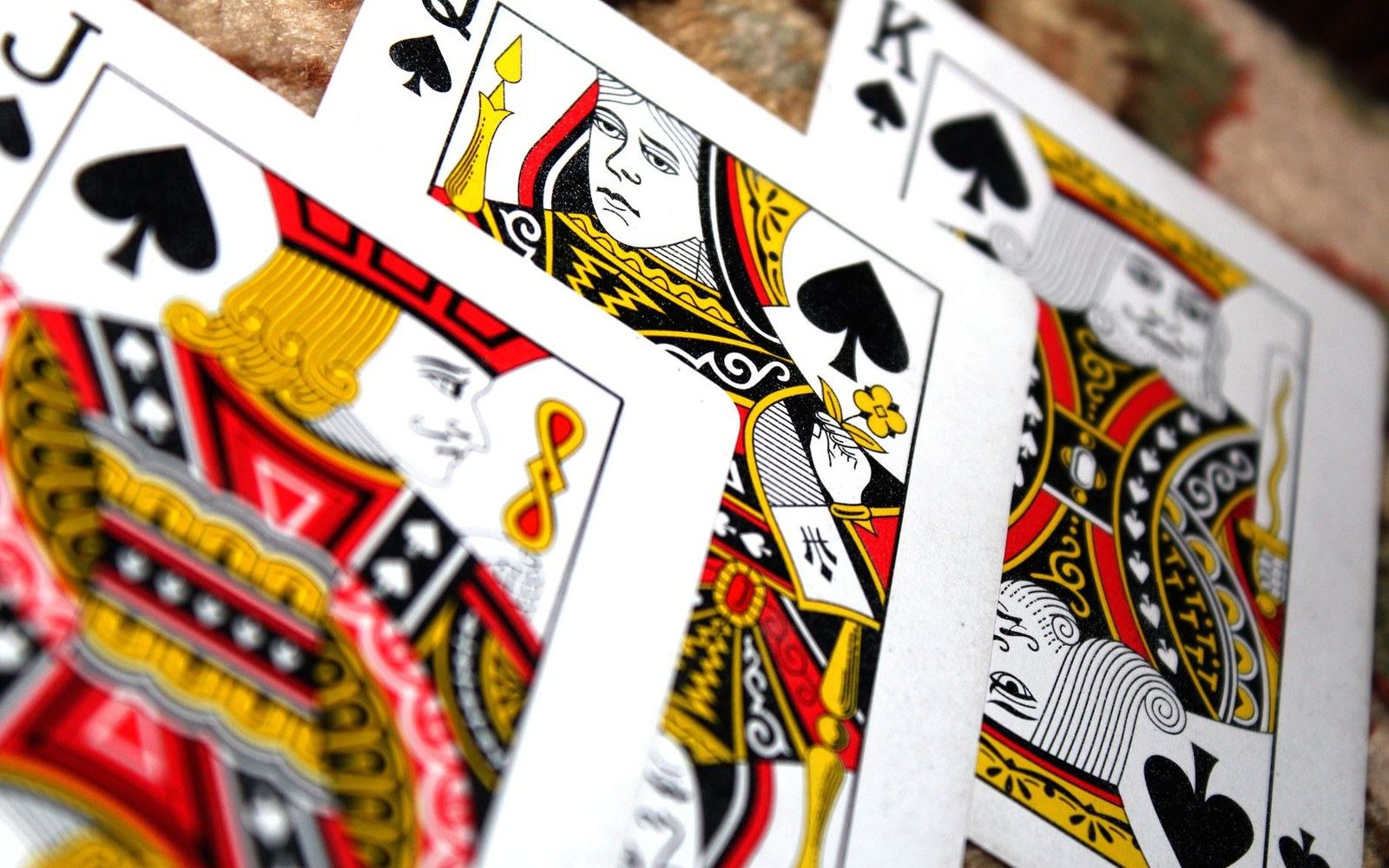
Geometric suit marks, no figures — the system Europe actually received.
Photo: jalil shams / Pexels
How a Mamluk Pack Became a Milanese Deck
Playing cards reached Europe from the Mamluk sultanate, and the documentary record is precise enough to establish the century if not the decade. References to card games appear in Catalonia by 1371, in Florence and Paris by the late 1370s, and in German-speaking lands in the 1380s — a spread too rapid to suggest independent invention and too concentrated to suggest the records are accidental. The medium arrived from outside Europe, and the source was the Arabic-speaking Islamic world.
The physical evidence survives in Istanbul. A near-complete Mamluk pack held in the Topkapı Sarayı Museum — the Mamluk pack, as card historians call it — consists of cards cut from layered paper, each carrying a suit mark and a number arranged geometrically on the face. The suits are cups, coins, swords, and polo sticks; the system runs from one to ten, with three court cards per suit: a king (malik), a viceroy (nā'ib al-malik), and a second viceroy (nā'ib thānī). No figurative imagery of persons appears — Islamic prohibitions on depicting the human figure meant the courts were represented by inscribed rank titles only, with decorative strapwork filling the field. The deck dates from the fifteenth century, though cards of the type were certainly in circulation earlier; it is the best-preserved specimen of what the transmission actually carried.
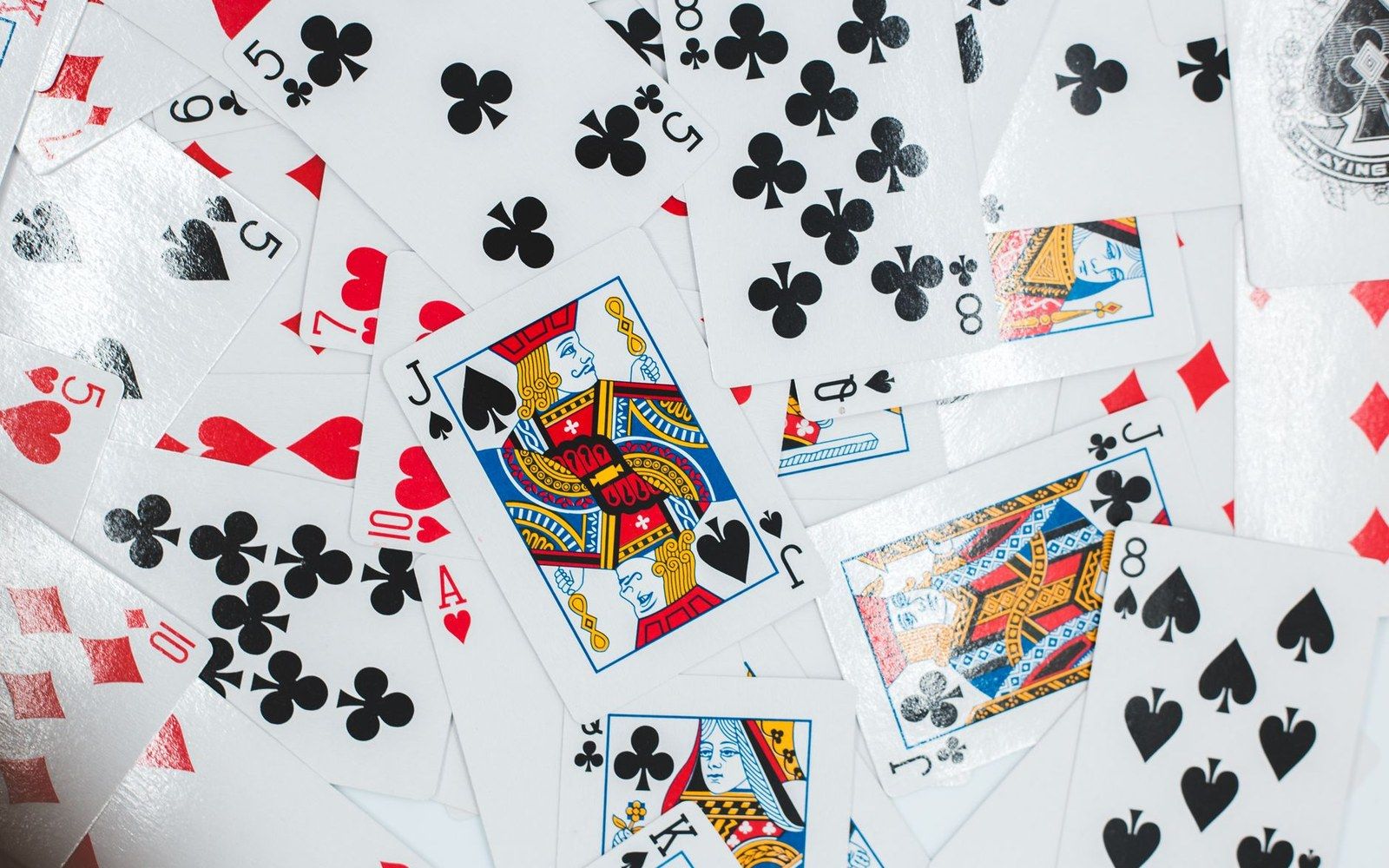
The suit marks travelled into Europe; the trumps were added later, in Italy.
Photo: Erik Mclean / Pexels
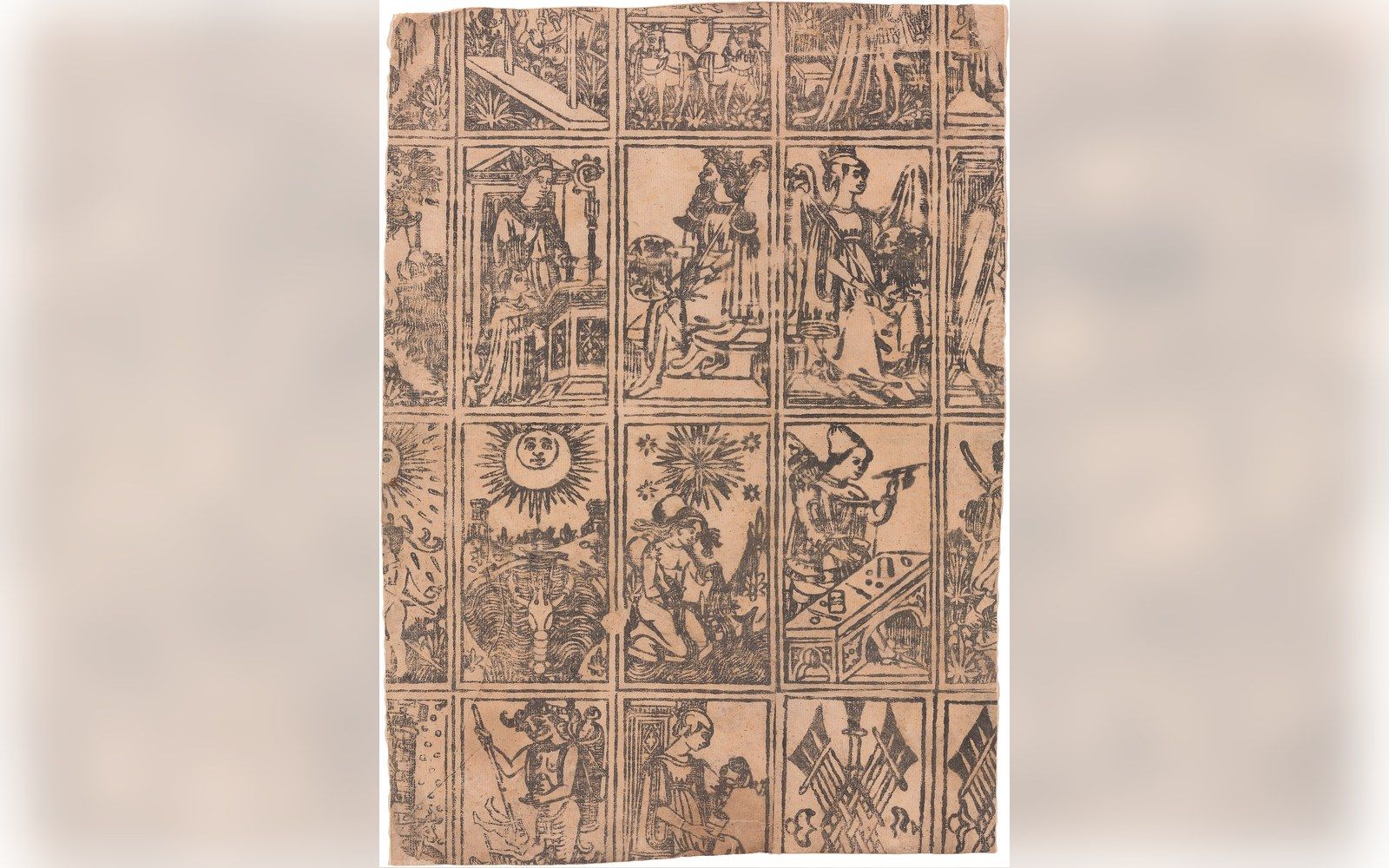
An uncut Italian sheet, c.1500. The collection’s strength is production, not play.
Photo: Cary Collection of Playing Cards, Yale University Library · Wikimedia Commons
The suit system the Mamluk pack transmitted was not absorbed into Europe without modification. Polo sticks — an aristocratic game with no European equivalent — became batons or staves in Italian and Iberian decks. Cups, coins, and swords translated with little friction, since those objects had European cultural weight. The four-suit structure of ten numbered cards plus courts, however, passed almost intact into the earliest European packs, and it survived into the regional playing-card traditions that persist to this day in Spain, Italy, and elsewhere. The relationship between Mamluk suits and their European successors is one of the more thoroughly documented transmission events in the history of print.
The point at which trump cards — tarocchi, the extra named trumps that outrank the suited cards — appear in the record is distinct from the arrival of playing cards generally, and the gap matters. The earliest firm reference to a tarot-type game comes from northern Italy in the first half of the fifteenth century: the Duchy of Milan's records from the 1440s mention carte da trionfi, cards of triumphs, as objects distinct from ordinary playing cards. No Mamluk analogue for trump cards has been identified. The tarocchi appear to be a European addition, probably Milanese or Ferrarese in origin, grafted onto the imported suited structure. The Visconti-Sforza pack — painted in Milan in the mid-fifteenth century and now split between New York, Bergamo, and a private collection — represents the first class of decks to combine the full suited system with the supplementary trump series.
What the Mamluk transmission gave northern Italian card-makers was therefore structural rather than iconographic: the four suits, the numbering convention, the court hierarchy, and the practice of assembling packs as layered paper cards cut from a larger sheet. The imagery that would eventually define tarot — the Wheel of Fortune, the Hanged Man, the figured trumps drawn from Christian allegory and classical iconography — belongs to the European elaboration, not to the Mamluk source. The tarocchi emerged when an imported card technology met the visual culture of fifteenth-century Italian courts, and the combination is what the subsequent five centuries of printing history inherited.
The original medium of transmission has left no workshop record, no named manufacturer, no dated print run. Cards entered Europe without a colophon — the standard identifying information a printer would leave in a book — and the commercial history of the object only becomes visible once European card-makers were firmly established, taxed, and regulated. The Mamluk pack in the Topkapı is a physical survivor from the moment just before the record fully opens.